Isn’t there a navigator yet that builds routes in the shadow?

 OpenStreetMap
Isn’t there a navigator yet that builds routes in the shadow?
Shushicë, according to Wikipedia, has a population of around 8,000 people as of 2011, which are the latest public statistics provided by the government of Albania. This village is quite significant in terms of its size and population, making it more comparable to a small city rather than a typical village.
Mapping Shushicë was a challenging task due to its vast territory and the dispersed nature of its small houses. The scattered settlements across a large area added to the complexity, making it difficult to ensure comprehensive coverage. For future projects involving villages of this size, I am considering utilizing a tasking manager to streamline the mapping process and ensure thoroughness.
Additionally, I found a short Wikipedia article about the village that could benefit from further improvements and updates. You can find the article here. Enhancing this article with more detailed information about Shushicë’s history, culture, and demographics would be beneficial for anyone looking to learn more about this unique village, so i encourage you to also contribute to Wikipedia.
” #100VillagesIn100Days #Day1 “
Hello Fellow Mappers, My name is Henny Vianelde de Jesus Pires, and I am from Timor-Leste. I have been using OSM since 2022 and am currently participating in the OMGuru Fellowship 2024. I am excited to share how I got involved with open-mapping, what I find fascinating about the fellowship, my experiences, what I have learned, and how it has impacted me.
Participating in the OMGuru fellowship has been a significant journey of learning and growth. As part of the validation track, I immersed myself in the world of OpenStreetMap (OSM), using various online platforms to ensure the quality of mapped data. This entry outlines my experiences, lessons learned, and the impact of my work.
My journey with open-mapping began in 2022 when I first heard about OpenStreetMap. The collaborative and open nature of OSM intrigued me, and I quickly became passionate about contributing to this global map. The idea of creating detailed and accurate maps accessible to everyone, and after hearing about the OMGuru Fellowship, I was particularly excited and it motivated me to get involved and learn more about the different aspects of mapping.
What fascinates me most about the OMGuru Fellowship is the opportunity to connect with like-minded individuals who are equally passionate about mapping and geospatial technology. The fellowship provides a unique platform for learning, collaboration, and growth. Additionally, the focus on ensuring data quality in OSM is particularly gratifying. Contributing to the accuracy and reliability of mapped data not only enhances the usability of OSM for various platforms but also builds trust among its users. By validating and improving data quality, I feel that I am making a significant contribution to the global mapping community and supporting projects that depend on precise and dependable geographic information.
(Ελληνικό κέιμενο παρακάτω)
I’ve been dabbling with overpass today and wrote this query for correcting one of my biggest pet peeves in Greek name tags, the absence of stress accents. Since by the nature of the mistake it is often one out of thousands of street names and very subtle at a distance, it is quite hard to find manually, unless someone systematically added street names without stress accents on purpose in error. Maybe I should add these to the wiki page or make one for particularly Greek language examples. I excluded bus stops because in many Greek cities they are often written in all caps. I also exclude Σκρα and Κω, two single syllable words that are often names of streets in Greece. Neither caps nor single syllables are stressed.
Έπαιζα λίγο με το overpass σήμερα και έγραψα το παρακάτω query για τη διόρθωση ενός από τα μεγαλύτερα μου pet peeves στα ελληνικά tags για ονόματα, η απουσία τονισμού. Λόγω της φύσης του λάθους είναι συχνά ένα από χιλιάδες ονόματα οδών και αρκετά διακριτικό από μακριά, είναι αρκετά δύσκολο να βρεθεί με το χέρι, εκτός αν κάποιος συστηματικά βάζει ονόματα οδών χωρίς τόνους επίτηδες από λάθος του. Ίσως πρέπει να το προσθέσω στο wiki ή να κάνω σελίδα για ελληνικά παραδείγματα. Απέκλεισα τις στάσεις λεωφορείων γιατί σε πολλές πόλεις γράφονται με κεφαλαία. Απέκλεισα επίσης τις Σκρα και Κω ως κοινά μονοσύλλαβα.
// gather results
nwr
  ["highway"]
  ["highway"!="bus_stop"]
  ["name"]
  ["name"!~"ά"]["name"!~"έ"]["name"!~"ί"]["name"!~"ή"]["name"!~"ώ"]["name"!~"ό"]["name"!~"ύ"]
  ["name"!~"Ά"]["name"!~"Έ"]["name"!~"Ί"]["name"!~"Ή"]["name"!~"Ώ"]["name"!~"Ό"]["name"!~"Ύ"]
  ["name"!~"ΐ"]["name"!~"ΰ"]
  ["name"!="Σκρα"]["name"!="Κω"]
  ({{bbox}});
// print results
(._;>;); out meta;
Albania’s mapping, especially in rural areas, is lacking. Villages, in particular, are often not mapped at all. To address this, I’ve set myself a challenge: to map 100 villages in 100 days. I’ve used tools like Overpass Turbo and a Python script to select these villages randomly. Below, I’ve listed the villages, although I haven’t checked if they are already mapped. In the event that a village on the list has already been mapped, I will replace it with another. I’ll update regularly on my progress.
I really missed Openptmap ever since the service stopped working a few years ago. It was an important feature of FacilMap that I had used frequently in my daily life. This is why I have decided to invest in a bigger server to be able to render and host the tiles myself.
I have set up a tile server with the original Openptmap styles on https://pt.facilmap.org/. You can browse the tiles through FacilMap.
For now, tiles are generated when first requested, so rendering the map will be very slow when a region is first accessed. Also, there are no automatic updates of the map yet, so for now the state of the map will be frozen in time. When I find the time, I want to bring the setup up to date to enable automatic updates. If you have the skills and want to contribute, what would be needed would be to rewrite the filter and style into an osm2pgsql flex output Lua script.
If you find this service useful, a financial contribution would be greatly appreciated.
依据辽宁省丹东市东港市政府公布的文件,对东港长安镇下辖的1社区6行政村以及部分村下有建制的小组(小村庄)进行补充,后续将对该镇及附近地区进行更具体的综合信息补充。也欢迎各位进行改进和批评。 图片:https://ibb.co/QXFk3B6
Welcome to the ninth OpenStreetMap NextGen development diary.
This week was focused on providing final touches to the core system. Within the few days I’ll publish details on how to get started contributing! Keep an eye for a dedicated diary entry 🙂/.
🔖 You can read my other development diaries here:
@NorthCrab/diary/
⭐ This project is open-source and publicly available:
https://github.com/Zaczero/openstreetmap-ng
🛈 This initiative is not affiliated with the OpenStreetMap Foundation.
Let’s jump into this week’s highlights.
OpenStreetMap-NG development environment has received MacOS support. Meaning that it can now be developed on Linux, MacOS, and Windows through WSL2. The installation instructions are the same for all platforms and contain just a single step: install and run nix.
Bułgaria jest krajem na południu Europy, graniczącym z obszarem Bałkanów i Azji Mniejszej (Turcji). Jest prawie 3-krotnie mniejsza terytorialnie od Polski, w ilości ludności - prawie 6-krotnie; w wielkości społeczności OpenStreetMap - prawie 10-krotnie mniejsza od społeczności poświęcającej swój czas na obszar Polski! To wszystko powoduje, że nawet w przypadku największych miast Bułgarii łatwo dostrzec “białe plamy”, które powinny być wypełnione budynkami, chodnikami, parkingami dla samochodów itd., nie mówiąc już o obszarach zagospodarowania przestrzennego jak lasy, pola uprawne, zbiorniki wodne itd.
Bułgaria to także - z racji Morza Czarnego i Gór Półwyspu Bałkańskiego, ciepłego klimatu śródziemnomorskiego, smacznej kuchni (słowiańsko-bałkańskiej, z wpływem kuchni tureckiej) i przystępnych cen (niższych niż w Polsce) - wspaniałe miejsce z uwagi na turystykę i wypoczynek (piszę to wszystko z doświadczenia własnego).
Niestety, dobrej jakości źródeł do mapowania Bułgarii nie ma - tu trzeba trzymać się trudno dostępnych danych kadastru (https://kais.cadastre.bg/) i zdjęć satelitarnych Esri. Ale oba one, w połączeniu z lokalną, bułgarską społecznością, która - dzięki narzędziom typu StreetComplete, Every Door czy edytora w OsmAnd - może “oddolnie” uzupełnić szczegóły nieznane nam sprzed biurka często setki czy tysiące kilometrów od Bułgarii - stanowi wystarczający zestaw do wsparcia OpenStreetMap w Bułgarii. Pomoc bułgarskiej społeczności odwzajemni się po stokroć podczas odwiedzania tego niedocenianego turystycznie państwa.
Esmu manījis, ka iekš OpenStreetMap Latvijas robežupes plūsma nereti sakrīt ar Latvijas robežu, bet… Kāpēc tā?!? Ja upe maina savu tecējumu, tad robeža NOTEIKTI NEMAINĀS.
Esmu veicis korekcijas ar Gaujas tecējumu un Latvijas-Igaunijas robežu, bet tagad nejauši pamanīju, ka kāds manu cītīgo darbu ir izdzēsis un atkal robeža sakrīt ar Gaujas tecējumu, tādā veidā nozogot Latvijas teritoriju.
Kā var atgriezt šo vandalismu?
Le week-end dernier, comme annoncé, une carto party a eu lieu dans le Tarn & Garonne. Revenons sur le déroule dans ce billet.
Après avoir discuté avec le groupe toulousain des contributeurs d’OpenStreetMap. J’ai pris en main l’organisation d’une Carto Fête.
Comme le début de l’organisation était assez public, nous avons été contactés par l’équipe “community” de tomtom. Ils voulaient nous aider pour cette cartofête. Nous n’avions rien à leur demander (ni pizza ni Gps et avons donc décliner l’offre d’aide).
J’ai malheureusement été cloué au lit par de la fièvre et est dû me décommander à la dernière minute. Je suis encore énervé, embêter de ne pas avoir pu participer. Notre plan initial était de prendre Saint Antonin Noble val comme base et faire les villages alentours, mais il s’avère qu’il y avait assez de travail sur la ville même. Le résultat du travail ressemble à la copie d’écran ci-dessous.
✔ Tutorial sobre mapeamento de waterways com plugin FastDraw
✔ Desastre no Rio Grande do Sul (Brasil) - uMap para apoiar as ações de enfrentamento
✔ Oficina sobre mapeamento de waterways no OpenStreetMap
✔ Oficina sobre criação de web map com uMap e dados do OpenStreetMap
✔ Palestra sobre criação de web map com uMap e dados do OpenStreetMap
✔ Oficina sobre importação de pontos de interesse (POI) no OpenStreetMap
✔ Mini curso para a Defesa Civil (Brasil)
✔ Oficina sobre mapeamento de pontos de interesse (POI) com OpenStreetMap
✔ Special interview about Brazilian NSDI on the first anniversary of YouthMappers UFRJ
✔ Entrevista especial sobre a INDE no aniversário de 1 ano do YouthMappers UFRJ
✔ YouthMappers UFRJ receives the Women’s Participation Award!
✔ YouthMappers UFRJ recebe o Women’s Participation Award!
✔ Our participation in the Open Data Day YouthMappers at UFBA 2024
✔ Nossa participação no Open Data Day 2024 do YouthMappers at UFBA
✔ Web map do mapeamento colaborativo para redução de riscos e desastes (RRD)
✔ Web map of colaborative mapping for the Disaster Risk Reduction (DRR)
✔ Mapear POI no OpenStreetMap e exibir dinamicamente com uMap
✔ Mapping POI in OpenStreetMap and displaying dynamically with uMap
✔ V Olimpíada Brasileira de Cartografia incluiu o OpenStreetMap como parte de sua etapa prática
✔ V Brazilian Cartographic Olympiad included OpenStreetMap as part of its practical stage
Dra. Raquel Dezidério Souto (IVIDES.org e YouthMappers UFRJ)
Este tutorial visa orientar a utilização do plugin FastDraw para Java OpenStreetMap Editor (JOSM), que facilita muito o desenho das feições e possibilita o traçado sinuoso, típico dos cursos d’água.
1- Instalar o JOSM https://josm.openstreetmap.de/
2 - Abrir o JOSM e instalar os plugins FastDraw e OpenData em Editar -> Preferências -> Plugins
3 - Realizar a autenticação na conta do OpenStreetMap (osm.org)
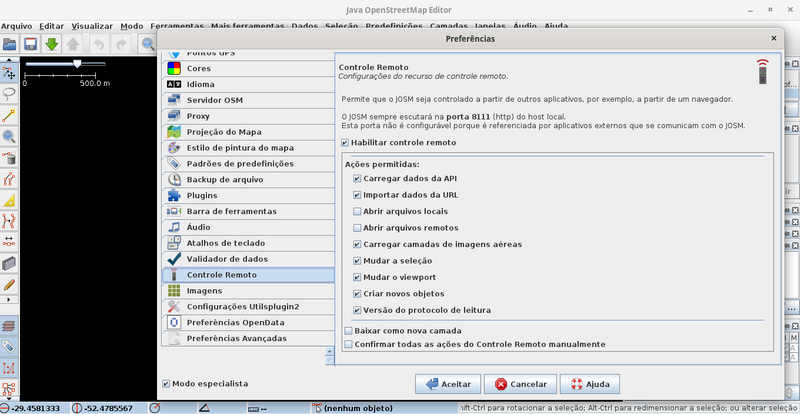
4 - Ainda com o JOSM aberto, em Editar -> Preferências, ativar a caixa de verificação “Modo especialista”, realizar a autenticação no OSM (item Servidor OSM) e ativar o Controle remoto. Clicar em Aceitar, para que as mudanças sejam efetuadas.
5 - Escolher uma tarefa a ser mapeada em https://tasks.hotosm.org/projects/16706, clicar em mostrar tarefas, clicar em um quadrado branco e em Colaborar. Informar seu nome de usuário e senha do OSM.
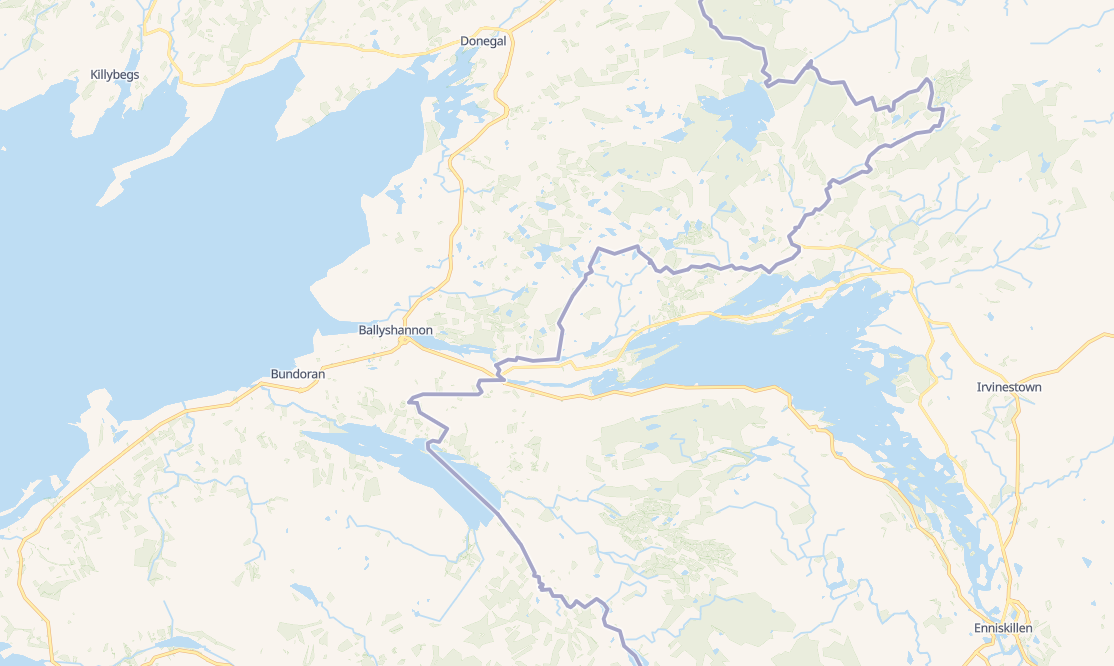
Lots of people have written diary entries and there have been other announcements and demos. You might wonder why we need another?
The idea of this is to provide a “soup to nuts” guide in a similar style to the existing “Switch2osm” Serving Tiles guides for raster tile servers.
There are two major pieces to this. The first piece creates a set of vector tiles that can be served by a web server. The second provides a way for clients to access that data - and clients also decide how to display it.
The code in this example is for web clients, but it’s also possible to create other sorts of clients too (for example, Android or iOS apps).
I make Every Door to be the best on-the-ground surveying app. Its focus has always been shops and amenities, but it’s summer now! Ride a bike outside a city, take a scenic route. And bring Every Door with you, because it is ready for outdoor adventures.
Today version 5.1 has been published to both major app stores, and soon on the rest. Here’s what the app learned to do in May:
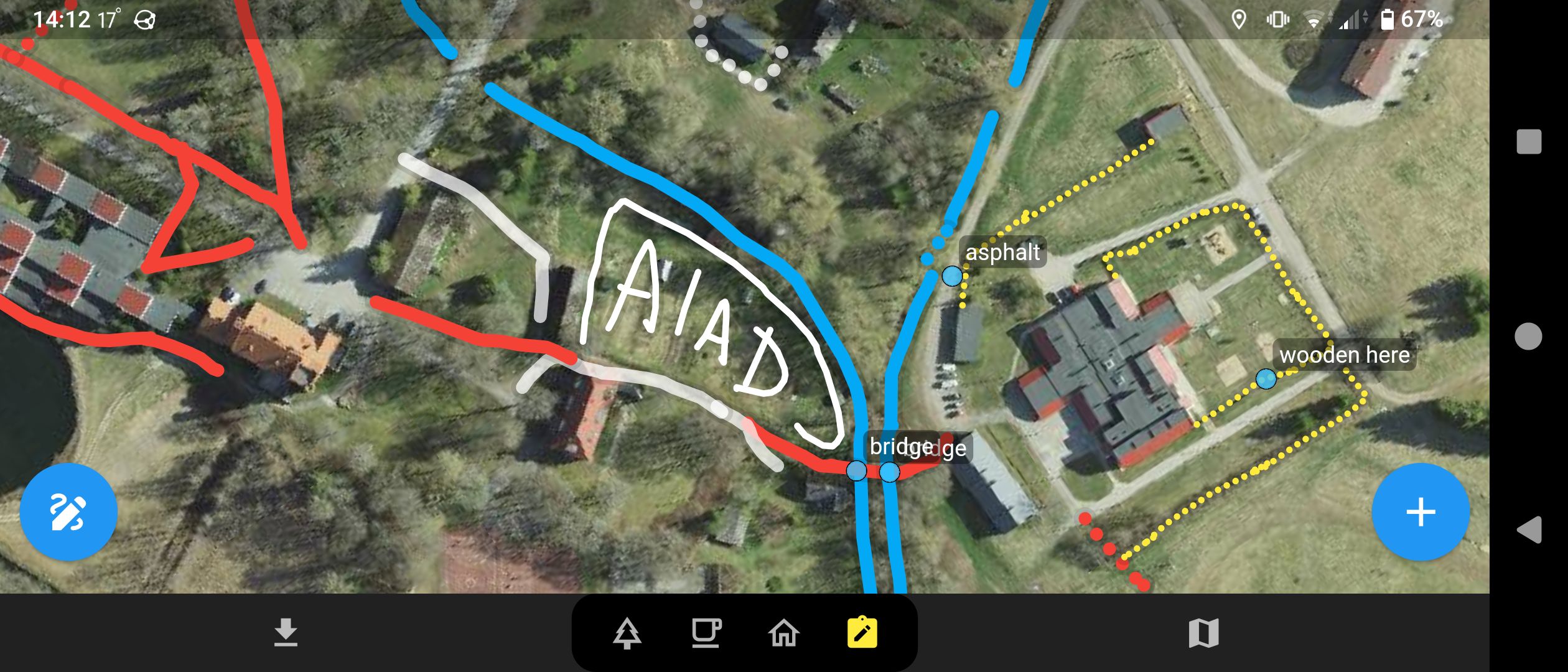
We have always had map notes, but now you can draw on the map! Saw an unmapped track road or a stream? Open the 4th mode in Every Door, unlock the scribble mode, choose the type and draw with your finger. This goes to a separate database, which you can then use in JOSM or Rapid.
Read this wiki page to learn how it works and how to add the layer to your editor.
Two months later I’ve made my way deeper into a lot of OSM development of the last decade, learning changeset comments, OSM notes, catching up with recent tagging style and trends and using street imagery tools.
I tried to fix issues documented in OSM data as well as from the OSM notes map layer. After some quick wins I got challenged by tasks like merging dozens of tags and bus relations when merging split directions of Schandauer Straße in Pirna back to ‘ground truth’ - a 4/5-lane marked primary town highway. Destination tagging had been try-n-error before stepping into OSM community forum. That opened a wide pool of expertise and discussion supplementing the more authoritative wiki documentation, especially tools for reconstruction/QA of destination tags into visual form of road signs.
Tempted to photo-document rather than note down observations I joined Mapillary street imagery. It feels like a great tool for cheap document including sharing recent changes and situation in the field to fellow mappers. Despite of my rather basic equipment - mapillary app on mobile - I enjoyed looking at 360-degree-photograph-series of some very active contributors. These images look amazing and seem like the way to go.
Recently I made my first steps to preserving history in OpenHistoricalMap, the spin-off for information, that cannot and shouldn’t be preserved by current OSM life-cycle tagging. There is not much information in my area yet and a lot of discussion regarding rather basic mapping techniques. It feels like the pioneer days in OSM back in 2008.
More to come …
The possibilities for integration between these two platforms are incredibly vast, and I genuinely feel as if I had progressed quite a lot in the understanding and contributions I make
Date: May 20, 2024
I started my morning by getting familiar once again with OSM. I invested time in updating and linking the wards in Kerala with Wikidata. I noticed that there was some wards in OSM that are not linked to Wikidata and some issues with the names and ward numbers. Using Sparql query I downloaded the Qids from Wikidata and using QGIS I downloaded the OSM relations ids. Then using OpenRefine I reconciled the data and matched the OSM and Wikidata entries. Using JOSM, I added the Qids to OSM relations.

Olá a todos os Mapeadores Brasileiros. Teremos uma oficina com o Angoca da Colômbia amanhã, dia 28 de Maio de 2024 para mostrar como se usa a ferramenta de boas vindas para novos mapeadores e como convidá-los para a comunidade brasileira do openstreetmap e os grupos locais.
Palestrante Angoca - Colômbia.Mediadores
Raphael de Assis - Umbraosm - Brasil.
Mediadores - Rodrigo Smarzaro - Youthmappers - Brasil.
Data: 28 de Maio de 2024. hora: 19:00hs - UTC-3 Horário de Brasília.
link da Oficina: https://www.youtube.com/watch?v=4EYc5Rh5L5s
A Oficina é aberta a todos que querem aprender a usar essa ferramenta para dar boas vindas aos novos mapeadores em todo o brasil e no mundo. Ferramenta https://welcome.osm.be/
Atenciosamente,
Raphael de AssisPresidenteUMBRAOSM - União dos Mapeadores Brasileiros do Openstreetmap site da UMBRAOSM, www.umbraosm.com.br contato@umbraosm.com.br
Panoramax view feature improves map exploration and gives users access to 360-degree imagery that enhances the mapping process and gives important visual context.
The community gains access to a potent tool that improves map visualization and encourages increased engagement and participation in the mapping process.
Live images can provide a lot of information that can be hard to determine, such as the weather or the terrain condition.
Hi I’m Mattia, one of the Google Summer of Code 2024 contributors. This journal will be updated weekly based on what is happening. If you want to see how streetlevel layers work you can check out a guide here.
Important and mandatory Milestones
Design how to add Panoramax in iD, understand how image retrieval works and how best to implement it.
At each stage: write documentation, write tests, fix bugs, and check that everything is implemented correctly.
Everything that has been done is avaiable at this link. Open the sidebar -> click “Map data” -> “Streetlevel” -> “Panoramax” (you’ll need to zoom in quite a bit to be able to activate the layer).
You can also check the code here.
Check the Pull Requests here
My name is Rinchen Norbu, and I am from Bhutan. I hold a B.Sc degree in Geography, which has endowed me with extensive knowledge in GIS and Remote Sensing, sparking a deep interest in further GIS studies. My foray into the world of OSM began on March 18, 2023, marking my initial venture into this domain. My introduction was through a project focused on mapping hospitals and Basic Health Units in Bhutan, led by a Bhutanese woman as part of the She Leads She Inspire challenge. I am grateful to Ms. Kelzang Yuden and her team for this opening. Additionally, my gratitude extends to Ms. Leki Choden, who motivated me to become part of her mapping team. Since then, I have been regularly following the Asian Pacific Hub and Mr. Mikko’s Facebook page for the latest OSM updates.
Upon discovering the announcement about the OMGuru fellowship, I was thrilled and promptly sat for the OMGuru examination in the first week of November. After successfully passing the exam, I was chosen to partake in the fellowship. The fellowship is divided into three streams: 1. Training Fellowship, 2. Mapping Fellowship, and 3. Validation Fellowship. Recognizing my unique strengths, I was appointed to the Mapping Fellowship. It appeared that I was the sole representative from Bhutan in this fellowship, as I did not come across any other Bhutanese names. I have committed myself to the Mapping Fellowship for five months.
Throughout my experience with the Omguru mapping fellowship, I have gained a wealth of knowledge in OSM mapping, as well as familiarity with various new mapping tools and software. In addition, I have had the chance to participate in a sequence of webinars that delved into topics such as mapping, data exportation, and mobile mapping applications, including Mapillary, Every Door, MapSwipe, and MapRoullete.