OpenStreetMap logo OpenStreetMap

Users' Diaries

Recent diary entries

Posted by slayer@GeoThings on 21 September 2021 in English.

Hi all,

Here’s my response to the question listed on wiki page for the board election. osm.wiki/Humanitarian_OSM_Team/Board_Elections_2021
Please feel free to comment or message/mail me, talk to you soon!

By Arnalie Vicario
Q1. What is/are the impact/s of the shift from global to regional structure of HOT on voting members?
A1. Strengthen the regional/local community is good in many ways including reducing the language barrier and harmonizing the open culture to local. Voting member is usually the opinion leader of local/regional community. As a result, about the impact of the shift from global to regional structure, it could be good to HOT.

Q2. Conversely, how do you think the voting members should interact (e.g. what is their role) with the Regional Hubs?
A2. Regional hubs can assist the voting members and the local communities to work more aligned to the vision/mission of HOT. The active voting members may talk with regional hubs more often for the harmonization of local/personal interests and HOT objectives.

By Matt Gibb
Q3. How can we support HOT volunteers who may experience burnout as we work towards HOT’s Audacious goals (including Voting Member and non-Voting Member volunteers), while the number of HOT paid staff grows?
A3. Burnout in community happens, so the responsibility of paid staff is getting heavier. We should facilitate more communications so we “speak out before burnout”. We also could take turns (flying geese paradigm) to be responsible for the tasks towards HOT’s audacious goals that potentially burnout community members.

By Heather Leson
Q4. What are the most important things the HOT board should be doing for the 1. membership 2. board 3. staff 4. global OSM community?
A4. (1) to facilitate the friendly (in many ways) environment for our community members. (2) be the plus to the operation of HOT. (3) share the experience and expertise. (4) be more influential in global community.

See full entry

Location: Donghaiku, Aikou Village, Zhubei City, Hsinchu County, 30273, Taiwan
Posted by SmartFinn on 20 September 2021 in Russian (Русский). Last updated on 23 September 2021.

В чем сложность

После смещения основных дорог к откорректированным снимкам (причины описаны тут Исправляем Угледар), пришла очередь править здания. Принцип правки зданий по спутниковым снимкам довольно простой, ничем не отличается от добавления новых, сначала смещаем контур на крышу нужного дома, правим, потом переносим контур на фундамент этого строения. И уже здесь начинаются первые проблемы, и чем больше этажность — тем больше проблем.

Большинство зданий окружено деревьями, повезет если будет виден хотя бы один угол дома у земли, но зачастую нет и этого. Но хуже всего дела обстоят с дорогами ведущих к подъездам, особенно если они находятся к востоку и к северу от зданий, их скрывают не только деревья, а и сами дома.

Как рисовать в таких условиях

Из описаного выше следует что полагаться только на подложку в виде аэроснимков не получится. Ситуацию могли б исправить панорамы улиц, но такого для Угледара не подвезли. Фотографий на Google Maps и Mapillary либо просто нет, либо они не дают достаточную картину.

К счастью доступен вариант по-лучше, а именно Генеральний план міста Вугледар 2019 года.

Чтобы превратить это в инструмент возьмем файл ГП_схема вулично-дорожньої мережі.pdf, как более близкое к тому что нам нужно, сконвертируем его в PNG (gp_vugledar.png) . Далее, с помощью плагина PicLayer для JOSM, превратим полученный файл в подложку и и откалибруем (gp_vugledar.png.cal).

После чего задача становится тривиальной. По снимкам Maxar Premium Imagery (Beta), как более свежие и четкие снимки этого региона, корректируем контуры зданий, после чего включаем слой с Генеральным планом г. Угледар и переносим контур на соответствующее место. С дорогами все еще проще, рисуем по вверх генплана, оглядываясь на Maxar.

Все объекты в Угледаре, у которых есть тег source=ГП_схема вулично-дорожньої мережі.pdf; Maxar, нанесены именно таким способом.

Полезные ссылки

See full entry

Location: Угледар, Угледарская городская община, Волновахский район, Донецкая область, 85670, Украина
Posted by mariotomo on 20 September 2021 in English. Last updated on 23 September 2021.

what is this about?

this entry describes a possible workflow for identifying missing road segments, thanks to the standard low-res Strava heat map. you may also use it to reclassify all those ‘highway=track’ that so many remote mappers keep creating for our ‘surface=unpaved’ unclassified and tertiary roads.

the mapping practice here described is totally manual, and quite obviously its speed will be inversely proportional to the precision you want to achieve.

preparation steps

  • install JOSM
  • in JOSM, activate the low resolution Strava heat layer
    • do that by editing the Imagery Preferences settings,
    • look for Strava among the available default entries,
    • select the cycling and running heat map,
    • activate it.
    • you will need to restart JOSM after activating the new imagery layer source.

typical editing session

prepare for mapping

  • add the OpenStreetMap (Carto) Standard layer,
  • roughly choose an area of interest,
  • add the Strava heatmap layer, but do change its transparency to 50%,
  • add your favourite Aerial photography layer (here I will be using Bing because I will show screenshots and the Bing license allows didactic and instructional use. in mapping I tend to prefer Maxar.)
  • order the layers so that:
    3: is Strava, on top of both:
    2: your favourite aerial photography layer,
    1: the Carto standard map,

identify a missing road

See full entry


Дисклеймер: зміни, які я вносив для того, щоб створити мем, не були завантажені у OSM. Прошу тих, хто вирішить скористатися цим гайдом, також утриматися від завантаження мемів у OSM


У кінці 2018 року гуглокарту (тьфу) заполонили школи, парки, усе назване на честь Рікардо Мілоса. Через деякий час усе виправили, а псувати їхню мапу під меми стало набагато складніше. Із свідчень очевидців (мене тоді ще не було в OSM), нам досталось не так сильно. Але хотілося б похайпувати на мемах, де в куточку гордо написано © OpenStreetMap contributors. Тому я вирішив створити гайд по створенню мемів на основі даних OSM.

Я намагався написати його так, щоб було хоч трохи зрозуміло тим, хто вперше дізнався про OSM, тому для тих, хто мапить і, тим більше, використовує його дані, тут усе й так буде зрозуміло.

Власне для обробки даних OSM я пропоную використовувати QGIS, бо інших ГІС не досліджував.

➕/➖ описаного мною методу:

➕ Використовує дані OSM;

➕ Дозволяє максимально змінювати вигляд мапи

➕ Дозволяє змінювати дуже великі об’єкти, міста, області

➖ QGIS має підвищенний поріг входження

➖ Вимагає багато часу

➖ Потрібен комп’ютер (мабуть)


Скачування географічних даних

OSM містить дані про безліч видів об’єктів. Але якщо нанести на мапу абсолютно все, то вона виглядатиме як чорний прямокутник. Тому ми візьмемо лише найнеобхідніше: будинки (building), використання земельних ділянок (landuse, natural), дороги (highway) та річки, озера (waterway, natural).

See full entry

Location: Голосіївський район, Київ, Україна

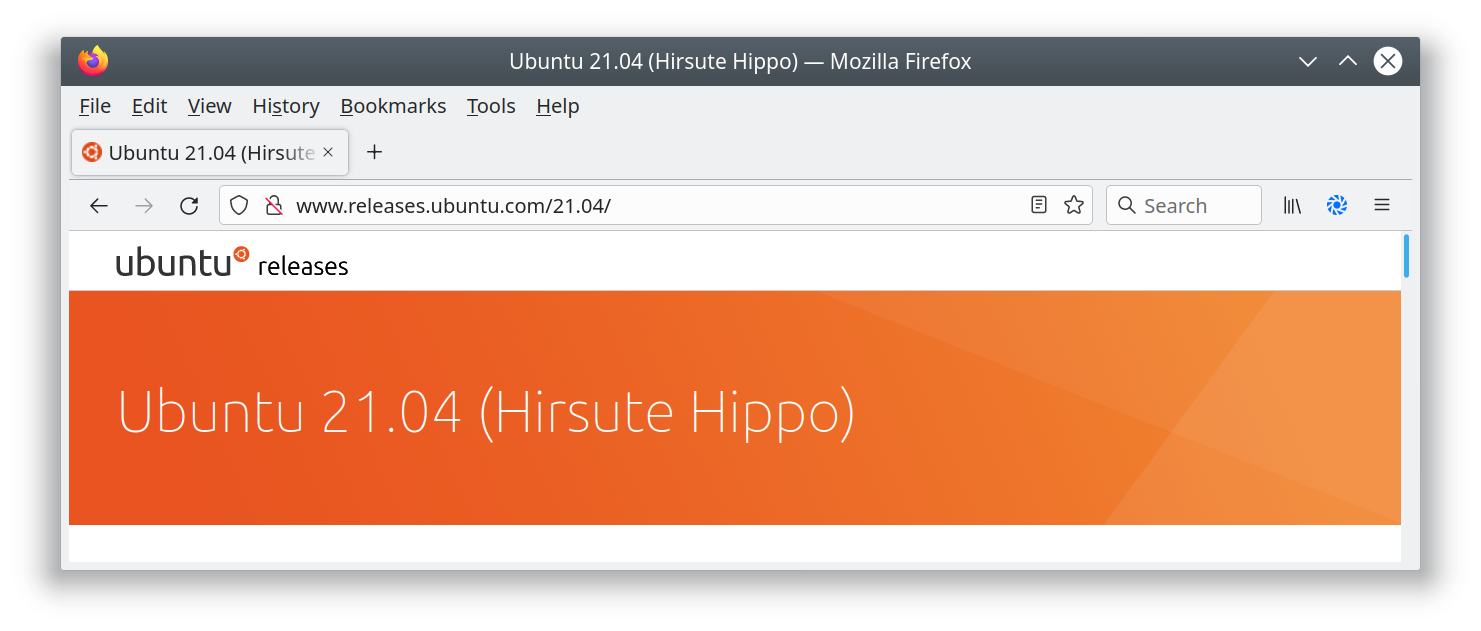
Screenshot of Ubuntu release page

I’ve added a new page to the switch2osm guide: “Manually building a tile server (Ubuntu 21.04)”. The work that the Debian developers have done to include the required software inside Debian 11 is now in Ubuntu 21.04, so there’s actually less setup work needed than in previous Ubuntu versions.

Ubuntu 21.04 isn’t an LTS release, so Debian 11 or Ubuntu 20.04 are still the recommended options for servers that are expected to stay around for a while. One of the regular faux pas with the Natural Earth download site has just been and gone, but the guide includes a workaround in case problems reoccur there.

See full entry

Location: Southwest, Derwent Valley, Tasmania, 7116, Australia

唐山地区(路南区、路北区、古冶区、开平区、丰润区、丰南区、曹妃甸区、迁安市、遵化市、滦州市、迁西县、玉田县、滦南县、乐亭县、芦台经济开发区、汉沽管理区)现在有多位本地居民在OSM中对唐山地区的道路、公园、住宅区、公交线路等信息进行更新和维护,希望外地人特别是外国人不要凭借个人的想法对我们已经确认并绘制完成的正确内容进行修改或删除。 唐山地区的道路,国道标记为主干道路(trunk),省道标记为主要道路(primary),县道标记为二级道路(secondary),乡道标记为三级道路(tertiary)。以上同样适用于全中国。 我发现刚有人将唐山沿海两区县的道路给更改、删除了,比如将宽大的省道、主路改成住宅区道路、因为卫星地图老就把已经确认修建好的道路删除了……我怀疑是外国人干的,因为中国的mapper应该都知道国道、省道是怎么什么吧。 我们这些唐山本地mapper所绘制的信息都是我们本人经常接触的、居住地附近的、去过的地方,以及从新闻里看过的、政府官网发布的、规划图里定好的、电子地图里能看见的。 唐山地区的地图怎么画,我们都是有共识的,有问题我们会自己修正,希望外地特别是外国的绘制者(如果没有足够的把握)不要大范围乱动,尤其是道路信息等级。 希望我说的那个外国人不要在全国范围内乱改中国的国、省、县、乡道了。

Location: 万达广场, 广场街道, 路南区, 唐山市, 河北省, 063000, 中国

Début de l’aventure ici

Ça y est !

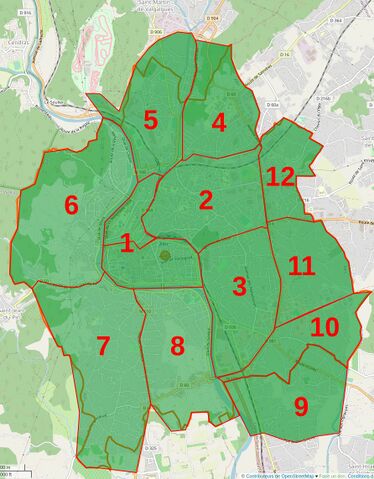
zones

Le projet d’adressage est terminé. Cela aura été beaucoup plus long que prévu avec un gros coup de mou sur les parties 6 et 7. J’avais commencé par le centre  ville qui, s’il est très dense en numéros fut très rapide à traiter (peu de bâti à mettre à jour, voies correctement renseignées et incrémentation des adresses de 2 en 2). Comme c’était le début, ça a été mon référentiel pour établir les zones. Malheureusement, les zones hyper urbanisées et rurales sont très différentes à traiter. Dès que l’on arrive dans les quartiers semi-ruraux, v’là la galère :

See full entry

Posted by kraksazak on 15 September 2021 in Polish (Polski). Last updated on 28 September 2021.

15.09.2021 No i mam problem z nazwą multipoligonu…

Jako “name” całego multipoligonu w bazie jest wyraźnie wpisane (przeze mnie): “Dom Księży Emerytów Archidiecezji Łódzkiej”. Natomiast po wyjściu z trybu edycji na obrazku mapy jest stary wpis: “Dom Księźy Emerytów Archidiecezji Łodzkiej”.

Próbowałem różnych rzeczy: rozbijanie multipoligonu, przeglądanie poszczególnych wierzchołków budynku, patrzyłem czy nie ma gdzieś jakiegoś większego terenu, który akurat w tym miejscu wrzuca swój tekst.

Po wpisaniu do okienka “szukaja” błędnego tekstu odpowiedzi pokazują tylko nazwę wpisaną przeze mnie.

No i nie mam pomysłu na to, jak poprawić tekst wyświetlany na ekranie na budynku Domu Księży Emerytów. :-(

Co trzeba jeszcze poprawić, gdzie jest jeszcze zaszyta stara nazwa multipoligonu?

Location: Chojny, Stare Chojny, Górna, Łódź-Górna, Łódź, województwo łódzkie, Polska

ROAD CLASSIFICATION DECISION MATRIX

Default Starting Ranks: [UK] [IRL] [DE] [FR] [IT]

INTERSTATE/MOTORWAY motorway [US:I] [UK:M] [IE:M] [DE:A] [FR:A] [IT:A]

NHS (DIV) trunk [UK:A(T)] [IE:N] [DE:B] [FR:N] [IT:SS]

US (ALL) / NHS (UNDIV) primary [UK:A] [IE:N] [DE:L] [FR:D] [IT:SS]

STATE PRIMARY secondary [UK:B] [IE:R] [DE:K] [IT:SP]

STATE SEC/COUNTY tertiary [UK:C]

TOWNSHIP residential

other things to think about for status changes: for Primary to Trunk: NHS mainline/some Strahnet (exc intermodal connnectors) +1 controlled access (limited intersections) +1 divided highway +1 interchanges at intervals +1 super-2 in places +1 or upgrade to motorway super-2 with widened centerline, rumble strips, mandatory headlight usage. Trunk means “watch out”; dangerous roads serving the role of a motorway one with design/safety compromises.

Secondary to Primary: high relative traffic +1 wide shoulders +1 Interstate Business Route +1 (not automatically in NHS!)

Tertiary to Secondary: 4 or 6-lane divided +1 through route +1 retail strip +1 interchanges with an Interstate (case-by-case)

Residential to Tertiary Divided, serving major retail centers and industrial parks +1 MD: Has yellow center line and is through/collector route VA: Numbered Secondary 600-999, selected routes above 1000 (VA numbers almost every road, but these lower numbers are usually important) PA: Numbered SR 1xxx-4xxx WV: County Routes (whole & fractionals)

for drops in status: numerous traffic signals in quick succession (drop from trunk) -1 retail strip (usually cause for above): drop from trunk to primary, but up from tertiary to secondary if divided. -1/+1 low speed limit -1 city environment -1 narrow shoulders -1 twists/turns/grades -1 (in relation to nearby straighter roads serving the same general direction)

See full entry

Posted by jidanni on 14 September 2021 in English.

Here we see that most of today’s cellphones’ GPS traces are “all over the parking lot,” thus will degrade the quality of OSM when making a map from them, https://medium.com/@importanttech/we-tested-mobile-gps-gnss-accuracy-and-found-some-surprising-results-b9ec35873e2e

But yes, you could say having a path on the map is better than no path.

See also https://www.sciencedirect.com/science/article/pii/S0263224121001858 .

The idea to map radars and mirrors of the Czech highways was raised in the mailing list of the Czech community. One of the comments is questioning about how to track the work done–and that’s exactly the problem to be solved by the damn project. (Note that the idea to map radars and mirrors of the Czech highways is still just an idea and there are no further steps done yet I’m aware of.)

I already wrote two Get inspired by … diaries. These were the potential HOT tasking manager improvements and the Tanga Building Footprints Import. This diary discuss the use of the damn project for tracking the work done on highways.

Create area

The damn project helps mappers by dividing some big area into smaller squares that a human can map. How this applies to highways?

It’s possible to upload two kinds of GeoJSON boundary files to the damn manager. If the FeatureCollection has member ‘name’ then divide to squares function is NOT used. Moreover, I’ve updated the damn project to understand what to do with a feature containing a LineString geometry: create a “square” with the border around the LineString. (“Square” here means a square of an area of the damn project.)

So… when you download some highway=motorways within some interesting bounding box (I mean from overpass API in JOSM,) save as GeoJSON, and add name member, you are able to upload that as GeoJSON boundary file to the damn manager.

Note that I experimented with joining ways to make larger squares of an area. The JOSM damn plugin then refused to automatically download the OSM data of a square because the square was too large, and the data had to be downloaded manually.

Mapping

The mappy client may help to visualize the area. An example is area 2352 and it looks way better with background image switched off. The JOSM damn plugin, light client, or panel using map random square/map nearest square are better options, though.

See full entry

Today as of this week, I started editing the missing map details around the Gordons( esp the National Stadium), Rita Flynn Netbal Centre, Sir John Guise Stadium as well as commercial Buildings around Waigani area. It took me almost 3 days before the 3-D model of these Stadium(Sporting facilities) appeared in F4map.com. I hope to see these models also reflected in 3DBuildings.com.

Although these are LOD 2 models( in my context), I may hope to try pulling those models into Blender-OSM to further enhance these Buildings, in the future( to take 3D modeling a further step up). I hope to still edit areas that aren’t not mapped out around Port Moresby areas, such as Gerehu Suburbs which are still missing details. Alot still needs to be done around our National Capital city which is still lacking map elements in OSM.

I have done all my BEST and its almost a year that I have actively been editing maps around Port Moresby area esp. the Metropolitan area where high-rise Buildings and densely-packed detached buidings are.

One fundamental function that anyone can use is the Building tags; as I am using only the ID Editor as I don’t have access to use JOSM to verify if my tags are valid. Thanks goes to the OSM moderators who are providing me helpful tips&insights on how I can edit the maps with any error. I am still pressing and pulling myself up-to-date with OSM HELP menu and correcting myself to re-edit feature entries which are erroneous.

Thankyou all and once again happy mapping to all the Mappers around Papua New Guniea and to the Moderators who are taking their time to correct us.

BOLA! and happy Mapping.

Location: Yairik, Lagaip-Pogera District, Enga, Highlands Region, Papua New Guinea

Chères membres de la communauté Openstreetmap, j’ai l’honneur de déposer ma candidature en tant que membre du conseil d’administration du Humanitarian Openstreetmap Team ( HOT) pour les raisons suivantes:

Je suis devenu un contributeur actif de la communauté OpenStreetMap grâce à une mission de l’équipe Humaritarian Openstreetmap en 2013. Avec l’aide de cartographes bénévoles, nous avons pu mettre en place la communauté Openstreetmap Sénégal, puis l’association Openstreetmap Sénégal - dont j’ai été le secrétaire général depuis 2018.

Depuis 2015, avec le soutien de l’association française Projet Espace OSM Francophone (ProjetEOF) et Les Libres Géographes (LLG), j’ai pu participer à plusieurs missions de renforcement des capacités en Afrique francophone. J’ai développé un ensemble de compétences et d’expériences qui peuvent être utilisées au sein du conseil d’administration de HOT US Inc.

Afin de rendre HOT plus inclusif et diversifié, la participation de membres de la communauté africaine et francophone au niveau exécutif est importante. Cela permettra de prendre en compte les aspects uniques et spécifiques des réalités au sein de ces communautés. De plus, il y a encore beaucoup à faire en termes d’actions de cartographie car de nombreux espaces sont actuellement absents de la carte dans ces territoires, d’où la présence de personnes pouvant aider à comprendre les enjeux et la particularité de ces communautés au sein du conseil d’administration de HOT.

Avec la volonté de HOT de rendre l’organisation plus inclusive et centrée sur la communauté, je suis sûr que les connaissances humaines, techniques et organisationnelles que j’ai acquises au fil des ans dans la communauté francophone d’Afrique seront une contribution précieuse pour aider l’organisation à relever ce défi.


See full entry

Posted by arnalielsewhere on 12 September 2021 in English. Last updated on 13 September 2021.

If you want to translate this post to be more comprehensible, I recommend to use deepL translator.

Disclaimer: All opinions are mine and do not necessarily represent opinions of HOT or other organizations/groups I am affiliated with.

The HOT Board and Chairperson Election period this year started this month of September. Both positions require that you are a voting member to be able to run, nominate and vote.

PS. Becoming a voting member is another cycle/election :)

I’d like to share five (5) challenges or “dare” to the HOT Voting members (which includes Board members and chairperson).

#1 Unengaged membership: How can we engage 1M contributors if we cannot engage our 217 (and growing) voting members?

HOT received funding from the Audacious Project last year - “Over the next five years, HOT will engage one million volunteers to map the places that are home to one billion people.”

When I applied for my staff position, this has been one of my strong drivers/motivations: to meaningfully engage contributors/communities (including the voting membership), and benefit from the work that HOT does. I believe the voting membership is one of the most important of these communities but hasn’t been prioritised in recent years.

I challenge the HOT membership, how can you help engage your fellow voting members, esp. those you nominated as a voting member and vice versa?

#2 Community Participation: How do we actively participate and support communities/groups locally (your local communities), regionally (eg Open Mapping Hubs), and globally (e.g. HOT / OSMF Working Groups)?

HOT shifted from global to regional structure to ensure that power, decision-making and resource allocation happen much closer to the communities we seek to support and in which we want our impact to be. How do you think the voting members can support the Regional Hubs and local communities?

See full entry

Location: Montezuma County, Colorado, United States